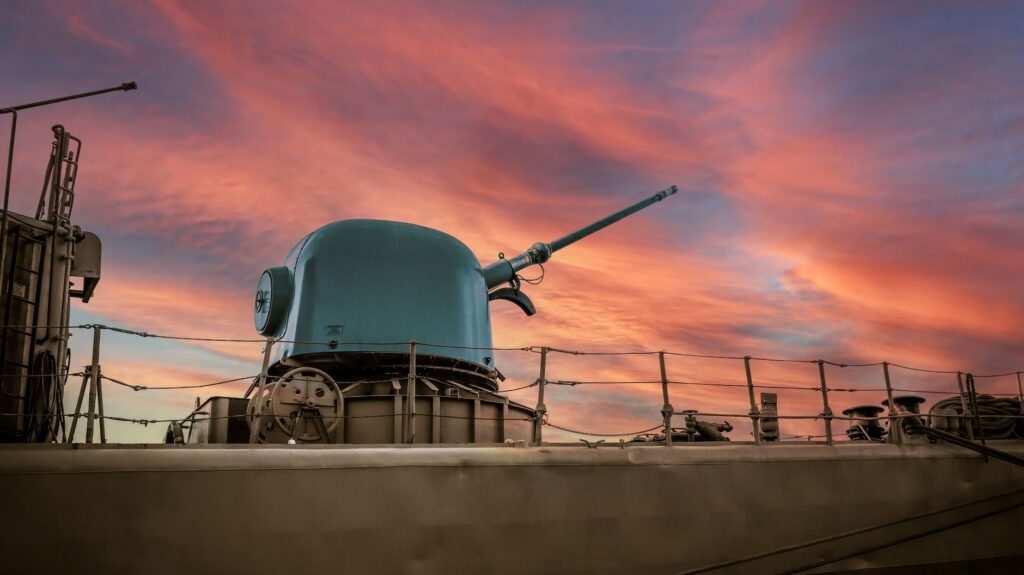
naval guns small drones are becoming a focal point in modern military strategies. As China develops these powerful weapons, the implications for naval warfare are significant.
China’s New Naval Gun Technology
China is making significant strides in naval technology, particularly in the development of advanced naval guns designed specifically to counter the growing threat posed by small drones. As unmanned aerial vehicles (UAVs) become more prevalent in modern warfare, nations are reevaluating their defense strategies, and China is at the forefront of this shift.
The Chinese military is reportedly investing in high-caliber naval guns that can deliver precision strikes against smaller, agile targets. These advancements are driven by the recognition that small drones can be used for reconnaissance, attacks, and surveillance, making them a key component of contemporary combat scenarios.
One of the notable features of China’s new naval gun technology is its rapid-fire capability, which allows for quick engagement of multiple drone threats. This is essential in a dynamic battlefield where threats can emerge unexpectedly. Additionally, the integration of advanced targeting systems enhances the effectiveness of these guns, ensuring that they can accurately track and neutralize drones even in challenging conditions.
As global military dynamics evolve, China’s focus on developing naval guns to combat small drones reflects a broader trend among nations looking to bolster their naval power. This strategic investment not only aims to protect maritime interests but also signals the importance of adapting to emerging threats in the ever-changing landscape of military conflict.
Impact of Small Drones on Warfare
The emergence of small drones has significantly altered the landscape of modern warfare, presenting both challenges and opportunities for military forces worldwide. As these unmanned aerial vehicles (UAVs) become more prevalent, their potential to disrupt traditional combat strategies has prompted a reevaluation of existing defense systems.
Small drones are capable of conducting surveillance, delivering payloads, and even executing precision strikes, making them formidable assets on the battlefield. Their agility and low cost allow for widespread deployment, which can overwhelm conventional defenses. As a result, military leaders are increasingly turning to advanced solutions, such as naval guns, to combat these threats.
Naval guns, traditionally designed for ship-to-ship or shore bombardment, are being adapted to counter the growing small drone threat. These powerful weapons can engage multiple targets at once, providing an effective deterrent against swarms of UAVs. The integration of smart technology into naval gun systems enhances their accuracy and reduces response times, allowing for rapid engagement of incoming drones.
As militaries assess the impact of small drones on warfare, the combination of naval guns and advanced targeting systems presents a promising strategy. This approach not only bolsters naval defenses but also reinforces the overall combat capabilities of fleets, ensuring they remain effective in an evolving threat environment.
Trump’s Battleship Revival
The resurgence of battleships under Trump’s vision has reignited a debate about modern naval warfare tactics, particularly in the context of combating emerging threats like small drones. As nations adapt to advancements in drone technology, the integration of naval guns with these large vessels presents a strategic advantage.
Trump’s battleship revival focuses on enhancing the firepower and capabilities of the U.S. Navy, with an emphasis on utilizing naval guns to counteract the growing prevalence of small drones on the battlefield. This approach aims to provide a robust defense mechanism against aerial threats that can disrupt naval operations.
Analysts argue that large-caliber naval guns can effectively target swarms of small drones, which have become a critical component in modern warfare. The combination of speed and firepower offered by these battleships enables them to respond swiftly to threats, thus maintaining maritime superiority.
Furthermore, the strategic deployment of naval guns allows for a layered defense system, integrating both kinetic and non-kinetic measures to neutralize aerial threats. This multifaceted approach can enhance operational effectiveness and secure vital maritime interests.
As the U.S. Navy explores the revival of battleships, the synergy between naval guns and small drones will likely shape the future of naval engagements, presenting a formidable countermeasure to ensure dominance in increasingly contested waters.
Comparing Naval Strategies
As military strategies evolve, the comparison between traditional naval firepower and emerging technologies becomes increasingly relevant. The integration of naval guns with capabilities to counter small drones represents a significant shift in naval warfare tactics. Countries are recognizing the necessity to adapt to the growing threat posed by unmanned aerial vehicles (UAVs) that can disrupt naval operations.
In today’s maritime environment, the ability to effectively combat small drones is crucial. Various navies are exploring innovative ways to enhance their naval guns, making them more effective against these agile targets. This evolution is particularly evident in the following areas:
- Technology Integration: New systems are being developed that allow naval guns to track and engage small drones with precision.
- Cost Efficiency: Utilizing existing naval guns to combat drone threats can be more cost-effective than investing in entirely new systems.
- Rapid Response: Naval guns can provide immediate fire support, enabling quick responses to drone incursions.
As nations like China invest heavily in advanced naval gun technology, the effectiveness of these weapons against small drones will likely shape future naval engagements. Adapting to this new paradigm is essential for maintaining maritime superiority in a rapidly changing battlefield.
Future of Naval Warfare
The future of naval warfare is rapidly evolving, as the integration of advanced technologies reshapes strategies on the high seas. With the rise of small drones posing significant threats to naval assets, militaries around the world are exploring innovative solutions to counter these challenges. One such approach involves the enhancement of naval guns specifically designed to target and neutralize these agile aerial threats.
Naval guns are being re-engineered to ensure they can effectively engage small drones, providing a robust defense mechanism against swarms that can overwhelm traditional systems. The emphasis on precision targeting and rapid-fire capabilities will likely become a cornerstone of modern naval strategies. As countries like China invest in larger caliber naval artillery, it is clear that the development of these systems is not just about firepower but also about speed and accuracy in a highly dynamic battlefield.
Furthermore, the utilization of small drones for reconnaissance and offensive operations has forced navies to rethink their defensive measures. The dual challenge of engaging both surface vessels and aerial threats has led to a strategic pivot, incorporating a blend of traditional naval guns and advanced drone technologies.
In this new era, the interplay between naval guns and small drones will shape the future of naval warfare, ensuring that fleets remain agile, adaptive, and prepared for unforeseen challenges.
International Reactions to China’s Developments
International reactions to China’s advancements in naval gun technology, particularly in the context of small drones, have been a focal point for military analysts and governments worldwide. As China aims to enhance its naval capabilities, the implications for global maritime security are significant.
Many countries are expressing concern over the potential shift in the balance of power in the Asia-Pacific region. Japan, for instance, has intensified its defense strategies, emphasizing the need for countermeasures against both large naval forces and smaller, agile threats like drones. Similarly, India has ramped up its naval modernization efforts, recognizing that the combination of advanced naval guns and small drones could pose a substantial threat to its maritime interests.
In Europe, NATO officials are closely monitoring these developments. The integration of naval guns designed to target small drones adds a new dimension to naval warfare, prompting discussions about enhancing allied capabilities to counter such threats. Germany and France are considering joint exercises that could include anti-drone systems, reflecting a proactive approach to evolving threats.
Overall, the international community’s response to China’s naval upgrades highlights a growing acknowledgment of the need for advanced defenses against small drones, especially as they become more prevalent in modern warfare.
Technological Advancements in Defense
Recent developments in military technology have ushered in a new era of defense strategies, particularly in the integration of naval guns and small drones. These advancements are transforming how navies approach potential threats on the high seas. As countries invest in enhanced weaponry, the challenge of countering agile small drones has become a focal point.
Naval guns, traditionally used for large-scale engagements, are now being adapted for precision targeting of smaller, more elusive aerial threats. This shift reflects a growing recognition of the need for versatile armaments that can engage a wide range of hostile entities, from small drones to larger enemy vessels.
Key technological advancements include:
- Automated Targeting Systems: These systems leverage artificial intelligence to identify and track small drones, allowing for quick and accurate responses.
- Increased Rate of Fire: Modern naval guns now feature higher rates of fire, enabling them to engage multiple targets in rapid succession.
- Enhanced Range and Accuracy: New ammunition types have been developed to improve the effectiveness of naval guns against small, agile threats.
The combination of naval guns and small drones is shaping a smarter defense approach, ensuring that naval forces remain prepared to face evolving threats in an increasingly complex battlefield.
Challenges of Small Drone Warfare
The rise of small drones in modern warfare has introduced significant challenges for navies worldwide. As these unmanned aerial vehicles become more prevalent, traditional defense systems are struggling to keep pace. The integration of naval guns small drones into combat scenarios has raised concerns regarding their effectiveness against agile and often hard-to-detect aerial threats.
One major challenge is the speed and maneuverability of small drones. Their ability to perform evasive actions makes it difficult for conventional naval artillery to lock on and engage effectively. Furthermore, the sheer number of drones that can be deployed in a single operation complicates the response for naval forces. This overwhelming swarm tactic can saturate defense systems, creating gaps that adversaries can exploit.
Additionally, the cost-effectiveness of engaging small drones with naval guns raises questions about resource allocation. Each round fired from a naval gun represents a significant investment, which may not be justified when compared to the relatively lower cost of a small drone. This economic consideration pushes naval strategists to seek alternative solutions, such as enhanced radar systems and electronic warfare capabilities.
In summary, as the landscape of warfare evolves, navies must adapt to the challenges presented by small drones. Developing effective countermeasures will be crucial for maintaining maritime security and ensuring operational readiness in the face of this emerging threat.
The integration of naval guns small drones into modern naval warfare strategies allows for enhanced surveillance and precision targeting. By utilizing naval guns small drones, navies can effectively mitigate threats while minimizing risks to personnel and assets.
Photo by alienganímedes on Pexels
Where this came from
You might also like
Maritime security progress: Is it Worth the Effort? · Online Testosterone Therapy: Answers Every Man Should Know · Dr. Kerry Evans – Advancing Innovation in Modern Emergency Medicine