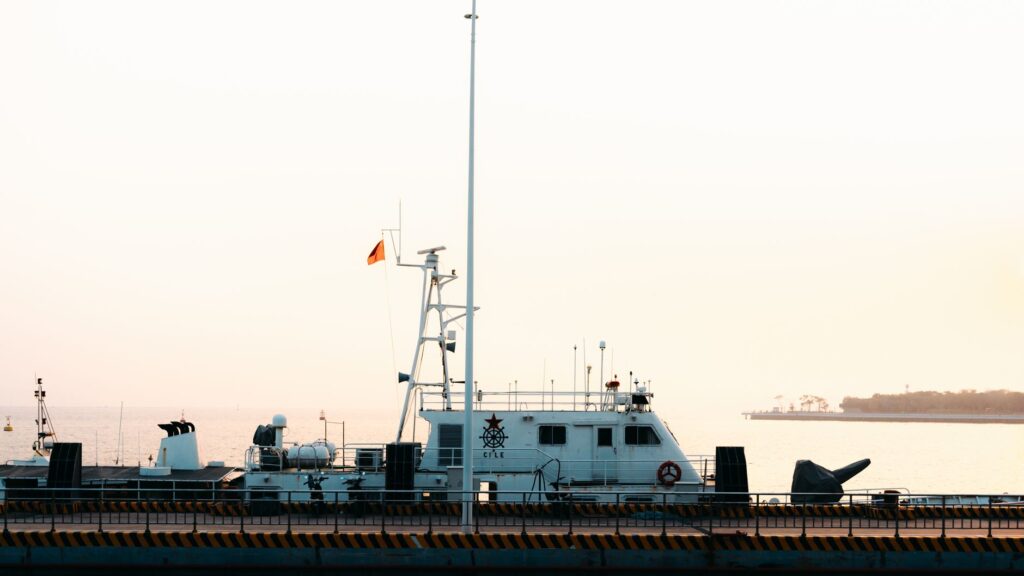
Maritime security progress is being closely monitored by the Quad Sherpas, who recently met in Delhi. This meeting aims to enhance cooperation on security challenges in the maritime domain.
Overview of the Quad Sherpas Meeting
In a significant development for regional cooperation, the Quad Sherpas convened in Delhi to assess their collective efforts toward enhancing maritime security. The meeting brought together representatives from Australia, India, Japan, and the United States, focusing on the progress made since their last gathering.
During the discussions, various key points were highlighted:
- Joint Exercises: The Quad nations have conducted a series of joint naval exercises aimed at improving interoperability and readiness in maritime operations.
- Information Sharing: Enhanced mechanisms for sharing intelligence regarding maritime threats were established, fostering greater collaboration.
- Capacity Building: Initiatives to assist smaller nations in the Indo-Pacific region with maritime capabilities were emphasized, showcasing a commitment to regional stability.
As the Quad continues to navigate challenges in the maritime domain, the progress made in this meeting underscores the importance of cohesive action in ensuring a secure maritime environment. The commitment to maritime security progress is seen as crucial for the stability and prosperity of the Indo-Pacific region.
Key Outcomes on Maritime Security Progress
Recent discussions at the Quad Sherpas Meeting in Delhi highlighted significant strides in maritime security progress. The participating nations—Australia, India, Japan, and the United States—have emphasized the importance of collaboration to address evolving maritime challenges.
Key outcomes from the meeting include:
- Enhanced Information Sharing: The Quad members agreed to improve real-time data exchange concerning maritime threats, fostering a proactive approach to security.
- Joint Exercises: Plans for joint naval exercises were outlined, aimed at increasing interoperability among the member nations’ fleets.
- Capacity Building: Initiatives to assist regional partners in developing their maritime capabilities were discussed, reflecting a commitment to collective security.
- Environmental Protection: The meeting acknowledged the need for sustainable practices to protect maritime environments, linking ecological health to security stability.
The consensus among Quad members is that these actions are vital for ensuring maritime security progress in an increasingly complex global maritime domain.
Challenges in Maritime Security Cooperation
The recent Quad Sherpas meeting highlighted several challenges in maritime security cooperation that could hinder overall progress. These challenges stem from a variety of factors, including:
- Geopolitical Tensions: Ongoing disputes in various regions complicate collaborative efforts.
- Diverse National Interests: Each Quad member has unique maritime priorities, which can lead to conflicting agendas.
- Resource Allocation: Limited financial and technological resources make it difficult for some nations to fully engage in cooperative security initiatives.
- Regulatory Differences: Variations in legal frameworks and enforcement capabilities can impede unified action.
Despite these hurdles, the importance of maritime security progress cannot be overstated. The rise in piracy, illegal fishing, and trafficking underscores the need for robust international cooperation. As nations consider their strategies, addressing these obstacles will be crucial for enhancing regional stability and security on the seas.
Future Steps for Enhanced Security
As nations continue to grapple with the complexities of maritime security, several future steps can be taken to enhance efforts in this critical area. First, a focus on interoperability among naval forces is essential. This involves conducting joint exercises and training programs that strengthen collaboration and coordination among the Quad nations.
Additionally, fostering information sharing mechanisms can significantly improve situational awareness. Establishing platforms for real-time data exchange will enable countries to respond swiftly to emerging maritime threats.
Investment in technology is another crucial step. The integration of advanced surveillance systems, such as drones and satellite monitoring, can bolster maritime security capabilities and provide a clearer picture of maritime activities.
Finally, engaging with regional partners and stakeholders is vital for a comprehensive approach. By fostering alliances with countries that share similar concerns, the Quad can create a more cohesive strategy towards maritime security progress.
Collectively, these steps can enhance the resilience and effectiveness of maritime security initiatives, making it a worthwhile endeavor for all involved.
Photo by Blackcurrant Great on Pexels