An unsecured loan has nothing backing it. No gold, no property, no asset the lender can claim if you stop paying. That makes the decision entirely about you: your profile, your history, and the lender’s confidence that you will repay. When you apply for a personal loan, a lot happens in the background before you see an approval or rejection. Knowing what a lender actually examines helps you understand why decisions go the way they do, and where you can strengthen your case before applying.
What’s Covered
- Why is your credit score the first thing checked?
- How much does your income really matter?
- What role do your existing debts play?
- Why does your repayment history get such close attention?
- Does your employment and job stability count?
- What about your identity and documentation?
- So how can you strengthen your application?
Why is your credit score the first thing checked?
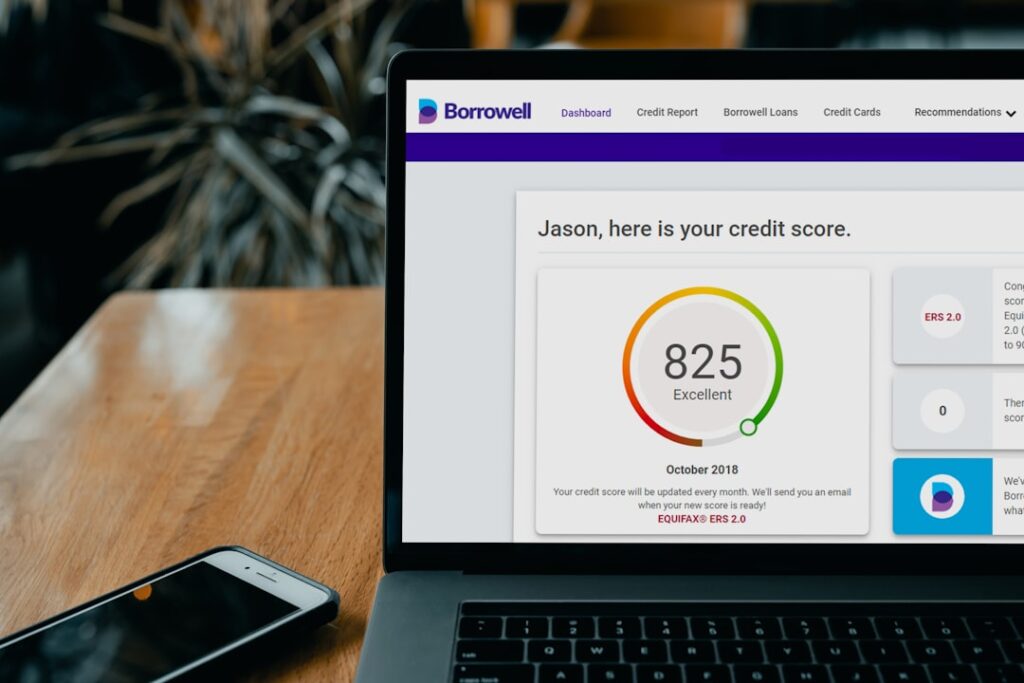
Because it is the quickest summary of how you handle borrowed money. A credit score condenses years of repayment behaviour into a single number, and lenders lean on it heavily for unsecured lending since there is no collateral to soften the risk.
A strong score tells the lender you have paid past debts on time, which pushes approval much closer and often earns you a better rate. A weak or thin one works against you, stirring doubt that can end in a rejection or a smaller, pricier offer. Apply through a personal loan app and the score gets pulled within seconds, colouring everything after it. It is not the only factor, but it is the gate most applications pass through first.
How much does your income really matter?
A great deal, since your income is what actually repays the loan. Lenders want to see that you earn enough to comfortably handle the new payment alongside your existing costs. They look at the size of your income, but also at how steady and reliable it is.
A salary that lands on the same date each month is reassuring, since it hints the repayments will keep coming. Income that arrives unevenly makes a lender wary, even when the yearly total looks fine. Your earnings set a rough ceiling on how much you can borrow, and a personal loan usually clears only when the payment sits comfortably within what those earnings can absorb. Earning well helps. Earning steadily helps just as much.
What role do your existing debts play?
A bigger one than most applicants expect. Lenders do not just look at what you earn, they look at what is left after your current obligations. This is captured by your debt-to-income ratio, which measures how much of your monthly income already goes toward repaying debt.
Carry several EMIs, a car loan, or a credit card balance, and a big chunk of your income is already spoken for. The lender sees little room for another payment and may shrink the amount or say no. That is how two people on the same salary end up with different outcomes: one simply owes less than the other. Paying down what you owe before you apply opens up that room and makes a yes more likely, because it shows the lender you can take on more without strain.
Why does your repayment history get such close attention?
Because how you acted before is the best clue to how you will act next. A lender wants to know not just that you have borrowed, but how you handled it. Paying on time earns trust. A missed payment, a default, or a settled account does the reverse and puts a lender on guard.
One bad late payment can linger on your record and make a lender hesitate. String together a run of on-time payments, though, and you signal that you treat obligations seriously and will likely keep doing so. That is why your history matters beyond the score itself. When a personal loan app opens your file, it is reading a story about whether you can be relied on, and a steady record of paying on time is among the best things that story can say.
Does your employment and job stability count?
Yes, since a stable job signals a stable income, and stable income is what repays an unsecured loan. Lenders often look at how long you have been with your current employer and the nature of your work. A longer tenure suggests your income is secure and likely to continue.
Switched jobs lately, or still in the first months of a new role? Some lenders read that as a touch riskier, since your income has not yet proven itself in that position. It seldom sinks an application by itself, but paired with other factors it can shave your amount or nudge your rate. The more settled your work looks, the easier a lender rests extending credit with no asset to fall back on.
What about your identity and documentation?
These confirm you are a real, verifiable person before any money moves. Before it lends, a lender has to pin down that you are genuinely you, partly to meet regulations and partly to stop anyone borrowing in your name.
You will usually hand over identity proof, income evidence, and bank details, which get checked against official records. None of that is idle paperwork. It is how the loan gets tied to a real borrower and kept out of a fraudster’s hands. Through a personal loan app, most of it runs fast and digitally, yet it still has to clear before you are approved. Documents that are incomplete or do not match are a frequent reason applications stall, so keeping your details accurate and consistent smooths the way.
So how can you strengthen your application?
Work on the things a lender weighs most, and do it before you apply rather than after a rejection. Keep your credit score healthy by paying every bill on time and keeping card balances low, since the score is the first and heaviest check.
Reduce your existing debts where you can, so your debt-to-income ratio leaves room for a new payment. Document your income clearly and, if possible, apply once you have some stability in your job rather than right after a change. Keep your identity documents accurate to avoid delays, and space out your applications, since several at once can make lenders wary. None of this guarantees approval, because each lender applies its own rules. But it addresses the exact factors a lender examines, and a personal loan is far easier to secure when your credit, income, debts, and history all point the same reassuring way.