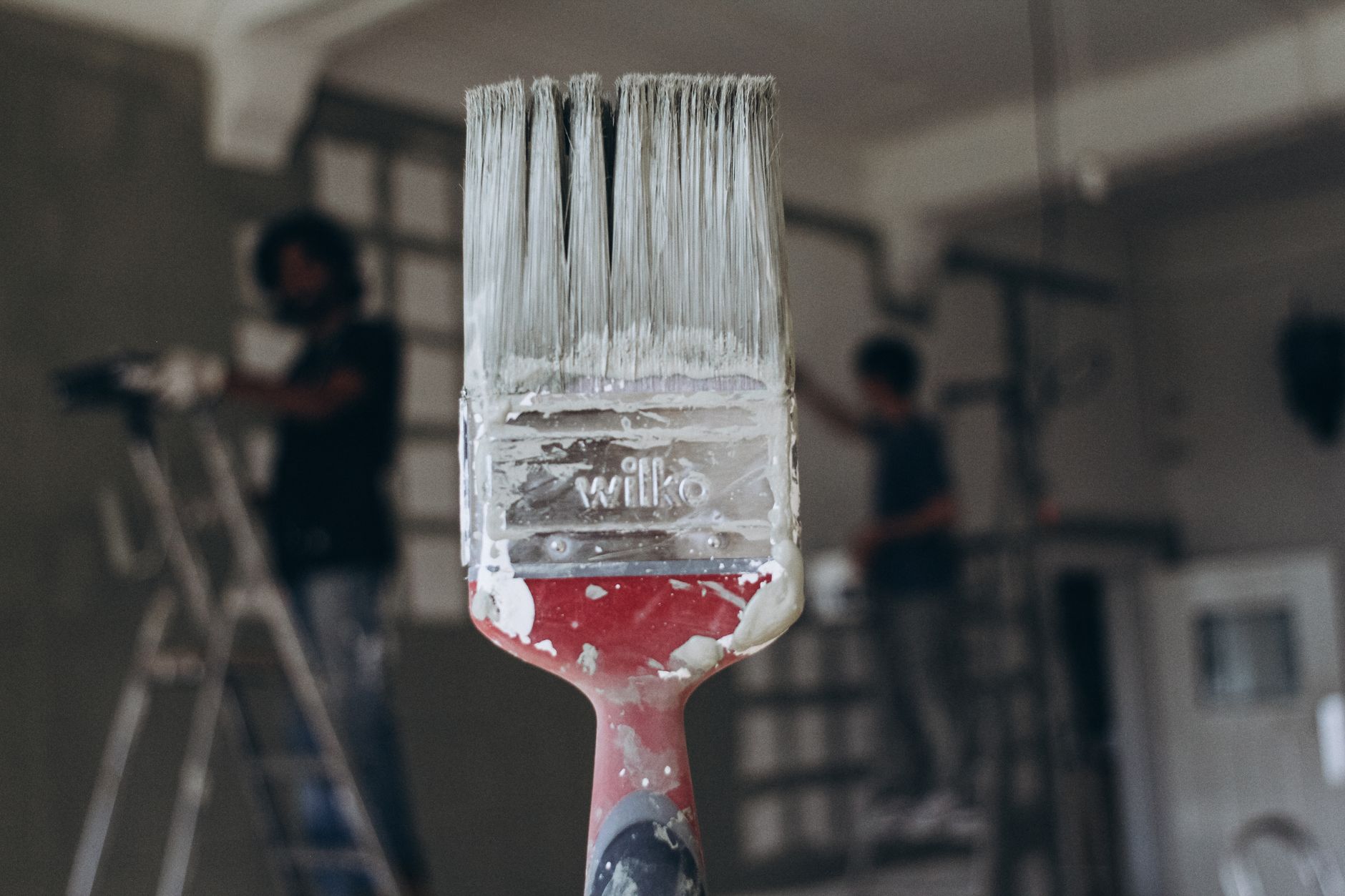
Detailed close-up of a paintbrush with men painting a wall in the blurred background, highlighting r
First impressions matter more than ever in real estate. The moment buyers walk through the door—or even scroll through photos online—they decide whether a property feels right for them. Effective home staging bridges the gap between a house and a dream home, helping potential buyers picture themselves living there. A skilled real estate agent knows that staging is not about decoration but about strategy: highlighting a home’s strengths while downplaying its flaws. When done right, staging can make a listing stand out in a crowded market, attract higher offers, and sell faster—all without breaking the bank.
The Power of First Impressions
Buyers often make emotional decisions within seconds of entering a home. A cluttered entryway or dark lighting can instantly dampen enthusiasm, even if the rest of the property is stunning. Staging begins with setting the right tone at first glance. Clear the entry of unnecessary items, add a mirror for light, and include subtle décor that invites warmth. The goal is to create a sense of comfort and possibility the moment the door opens.
Curb appeal is just as important. The exterior is the first chapter of a buyer’s experience and should reflect care and attention. Fresh paint on the front door, trimmed hedges, and clean pathways instantly boost visual appeal. A real estate agent often recommends these low-cost exterior updates before showings or open houses. A well-maintained exterior sets expectations for what’s inside and encourages buyers to look closer.
Declutter and Depersonalize for a Neutral Canvas
Clutter distracts from a home’s best features. Overfilled bookshelves, excess furniture, and personal items make rooms feel smaller and less inviting. The objective is to help buyers imagine their own lives unfolding in the space. Removing family photos, collections, or bold décor gives the home a fresh start and widens its appeal. Neutral tones and simple layouts allow architectural details to shine.
Depersonalizing doesn’t mean stripping the home of character—it’s about balance. Keep a few tasteful accents like artwork, plants, or soft throws to maintain warmth without overwhelming. A real estate agent can recommend professional stagers who know how to balance minimalism with lived-in comfort. This neutral foundation ensures that every visitor feels welcome and every room looks spacious.
Lighting: The Unsung Hero of Home Staging
Lighting can make or break a room. Bright, even lighting opens spaces, enhances colour, and lifts mood. Natural light is the most flattering, so open blinds, clean windows, and use sheer curtains to maximize daylight. When natural light isn’t enough, layer ambient, task, and accent lighting to create dimension. Warm lightbulbs often make a home feel cozier and more inviting.
Strategic lighting also guides the eye to key selling points. A pendant light above a kitchen island or a floor lamp near a reading nook subtly highlights function and comfort. Proper lighting complements a home’s architecture while helping buyers connect emotionally with the space. A real estate agent understands that bright, welcoming interiors photograph better and leave stronger impressions during tours—making lighting one of the most cost-effective staging investments.
Furniture Placement and Flow
Furniture should showcase a room’s purpose, not dominate it. Oversized or poorly placed pieces can make even large rooms feel cramped. Rearranging furniture to create open pathways and conversation zones instantly improves flow. In smaller spaces, use fewer, well-scaled pieces to give the illusion of more room. The layout should invite movement and clarity, guiding buyers naturally from one area to another.
Symmetry and balance create a sense of calm that appeals universally. Avoid pushing all furniture against walls; instead, float seating to define areas and add depth. A real estate agent may collaborate with a stager to ensure every room has a clear function—whether it’s a cozy living area or a productive home office. When spaces feel intentional, buyers subconsciously associate them with quality and care.
Highlighting Key Selling Areas
Not all rooms carry the same weight when selling a home. Kitchens, bathrooms, and primary bedrooms often influence final decisions the most. These spaces should look clean, modern, and functional, even without full renovations. Replace old hardware, update light fixtures, and display neutral décor like white towels or fresh flowers to give a spa-like feel.
In living areas, the goal is warmth and versatility. Soft textures, a neutral colour palette, and simple accessories create a relaxing environment. Small touches—such as a coffee table book or a stylish tray—add polish without clutter. A real estate agent often focuses staging efforts on these high-impact zones, knowing they leave lasting impressions that can turn browsers into serious buyers.
The Psychology of Scent and Sound
Scent has an immediate effect on perception. A musty or overly strong fragrance can make buyers uncomfortable, while a light, fresh aroma sets a welcoming mood. Before showings, ensure the home is thoroughly cleaned and ventilated. Natural scents like citrus, linen, or baked goods evoke feelings of freshness and homeliness. Candles and diffusers should be subtle—less is always more when it comes to fragrance.
Sound also shapes experience. Soft background music masks outside noise and adds sophistication without distraction. Avoid television noise or loud playlists that may clash with the viewing atmosphere. A real estate agent might suggest playing light jazz or acoustic tunes at a low volume to create calm. Together, scent and sound transform a showing from a viewing into an experience.
Don’t Forget the Outdoors
Outdoor spaces are extensions of the home, especially in today’s market, where lifestyle appeal is paramount. Clean patios, trimmed lawns, and simple seating areas showcase functionality and relaxation. Adding outdoor lighting and potted plants can make even small yards feel luxurious. Staging the exterior helps buyers imagine entertaining or unwinding after a long day.
Driveways, fences, and gutters should also be maintained—buyers notice neglected details. A power-washed deck or freshly painted railing signals that the entire home has been cared for. A real estate agent often advises sellers to photograph outdoor spaces at golden hour, when natural light enhances warmth and atmosphere. These details can dramatically increase listing engagement and interest.
Professional Staging: An Investment That Pays Off
While DIY staging can go a long way, professional stagers bring expertise that elevates results. They understand buyer psychology, space optimization, and design trends that resonate with target demographics. Their furnishings and accessories are curated to enhance a property’s market appeal, often leading to faster sales at higher prices. Staging is not just decoration—it’s marketing.
Many real estate agents include professional staging as part of their service package or offer trusted referrals. They know that professionally staged homes photograph better, generate more online views, and leave stronger emotional impressions during showings. It’s an upfront investment that can pay off exponentially in final sale price and time on the market.
Setting the Stage for Success
Selling a home isn’t just about location or layout—it’s about connection. Staging transforms rooms into stories, helping buyers picture themselves living their best lives within those walls. Every light, scent, and detail works together to spark that emotional “this is it” moment. With guidance from an experienced real estate agent, sellers can make strategic choices that attract more buyers, higher offers, and faster closings. In real estate, the right stage doesn’t just sell a home—it sells a feeling.