Gold has a way of attracting attention whenever financial markets become uncertain. Its price can react to inflation expectations, interest-rate decisions, currency movements, geopolitical developments, and changes in investor sentiment. For anyone considering a gold trading platform, understanding these influences is just as important as knowing how to place an order. A trading interface may provide charts and market prices, but meaningful decisions require a broader view of what is happening around the metal.
What’s Covered
- Gold Prices Reflect Several Market Forces
- Interest Rates Can Change Gold Sentiment
- The Dollar Adds Another Layer
- Inflation Expectations Matter Differently
- Economic Data Can Shift Market Expectations
- Charts Help Put Information Into Perspective
- Trading Costs Deserve Close Attention
- Risk Controls Should Be Part of The Plan
- Choosing A Provider Requires Careful Comparison
- Conclusion
Gold Prices Reflect Several Market Forces
Gold does not move because of one factor alone. Its price can respond to several economic and financial developments at the same time. Interest rates, the strength of the US dollar, inflation expectations, central bank activity, and investor demand can all affect market sentiment toward gold.
This makes gold different from an asset whose price may be closely tied to one business or industry. Traders need to consider the wider financial environment before interpreting a price movement.
A sudden rise, for example, may reflect changing expectations about interest rates rather than a simple increase in demand for physical gold.
Interest Rates Can Change Gold Sentiment
Interest-rate expectations are closely watched in gold markets. When interest rates or bond yields rise, assets that provide interest may become relatively more attractive. This can influence demand for gold, which does not generate interest income.
The relationship is not always straightforward. Markets respond to expectations as well as actual policy decisions. Traders may therefore watch central bank statements, economic data, and changes in bond yields when assessing possible movements in gold.
Instead of reacting only after a rate decision, it can be useful to understand what expectations were already reflected in the market.
The Dollar Adds Another Layer
Gold is commonly priced in US dollars, making currency movements an important part of the picture. When the dollar changes significantly against other currencies, the international price dynamics of gold can also shift.
For traders using a best gold broker, understanding these currency movements can provide additional context when reviewing gold prices.
Watching gold without considering the dollar can therefore leave part of the market story unexplained.
Inflation Expectations Matter Differently
Gold is often discussed in relation to inflation, but the relationship deserves careful attention. Higher inflation does not automatically mean gold prices will rise. What matters can include expectations about future inflation, real interest rates, monetary policy, and investor positioning.
For example, if inflation rises while markets also expect aggressive interest-rate increases, the response in gold may differ from a situation where inflation rises but monetary policy is expected to remain supportive.
This is why traders should avoid treating inflation data as a simple buy-or-sell signal.
Economic Data Can Shift Market Expectations
Employment figures, inflation reports, economic growth data, and consumer activity can influence expectations for monetary policy. When new data differs significantly from forecasts, financial markets can react quickly.
Gold traders may therefore pay attention not only to the reported number but also to the market expectation that existed beforehand.
A figure that appears positive in isolation can still produce a negative market reaction if investors had expected an even stronger result. Understanding this distinction can help traders read price movements with greater context.
Charts Help Put Information Into Perspective
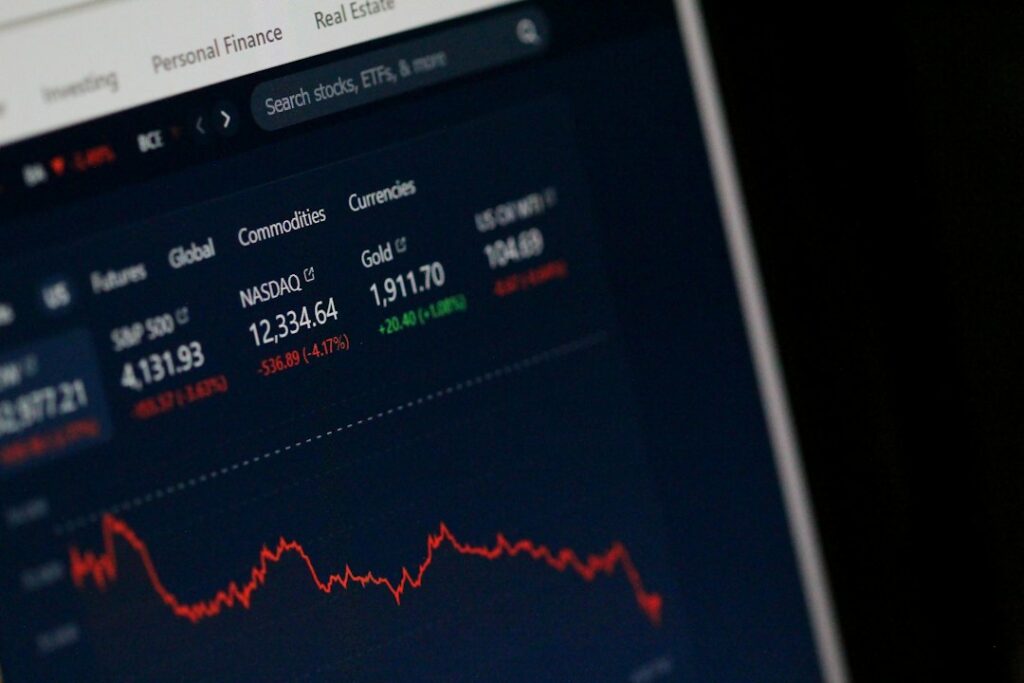
Fundamental information explains why traders may be watching gold, while charts can help examine how the market is responding. Price charts can reveal trends, ranges, support areas, resistance levels, and changes in momentum. A gold trading platform can provide access to these charting tools for examining market behaviour.
Technical analysis should not be treated as a guarantee of future price direction. Instead, it can provide a framework for studying past and current market behaviour.
Different traders may use different timeframes. A short-term trader might examine intraday charts, while a longer-term participant may focus on daily or weekly movements. The appropriate timeframe depends on the trading approach and risk tolerance.
Trading Costs Deserve Close Attention
The cost of entering and exiting a position can affect the practical outcome of a trade. Traders may encounter spreads, commissions, financing charges, or other account-related costs depending on the instrument and provider.
Comparing these details can be particularly important for active traders because repeated transactions may make trading costs more noticeable over time.
A platform should therefore be assessed on its pricing structure rather than judged only by its appearance or collection of features. Clear information about applicable charges allows users to understand the financial implications before placing trades.
Risk Controls Should Be Part of The Plan
Gold can experience substantial price movements, particularly around major economic announcements or unexpected global developments. A trading plan should therefore consider how much capital is exposed to any single position.
Position sizing is one way traders can manage exposure. Stop-loss orders may also be used where appropriate to define an exit point, although they cannot eliminate the possibility of losses or guarantee a specific execution price under all market conditions.
Leverage requires particular care because it can increase both potential gains and potential losses. Traders should understand the mechanics and risks before using leveraged products.
Choosing A Provider Requires Careful Comparison
Selecting a best gold broker involves more than searching for a low spread or attractive promotional feature. Traders can examine the available instruments, account conditions, platform functionality, execution arrangements, costs, customer support, and applicable regulatory information.
The right comparison also depends on individual circumstances. A trader who places occasional positions may have different priorities from someone who monitors markets frequently.
It is useful to read the terms associated with an account carefully and understand which products are available in the trader’s jurisdiction. Financial products can carry significant risk, so provider information should be reviewed alongside an individual’s own understanding and experience.
Conclusion
Gold trading requires more than watching a price line move across a screen. Interest rates, currency strength, inflation expectations, economic data, technical patterns, trading costs, and risk management can all influence the decisions surrounding a position. A suitable gold trading platform can provide the tools needed to observe these factors, but responsible trading ultimately depends on informed planning and disciplined execution. AngelSky is one option traders may examine when comparing platforms, provided they carefully review its products, conditions, and associated risks before making decisions.